
BLOG
Fishing Regulations Are Sinking Small Businesses: Advocacy Is Fighting Back
PUBLISHED: May 28, 2026
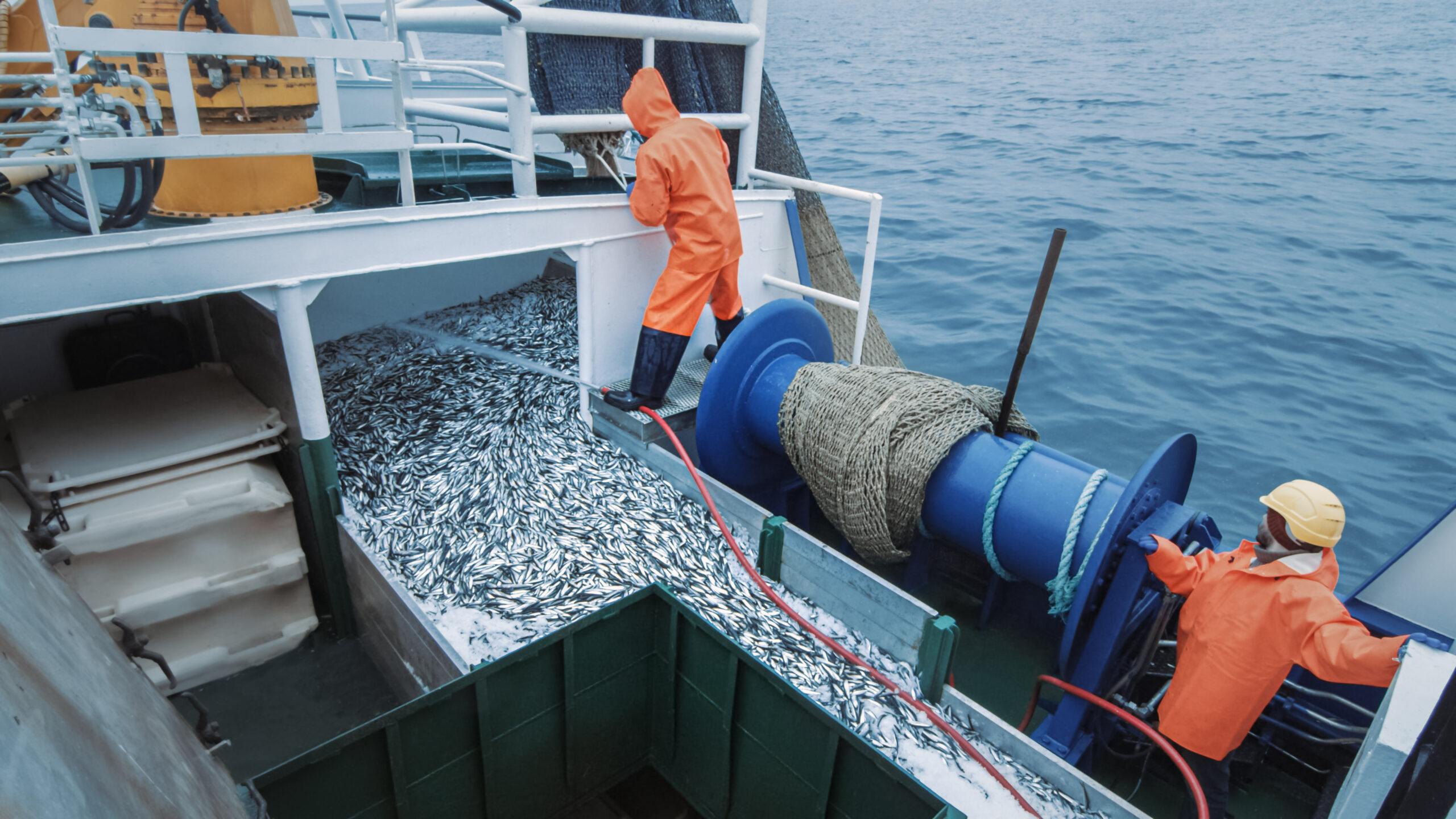
Commercial fishing is woven into the fabric of American life. It feeds our communities, supports hundreds of thousands of jobs, and strengthens our national food security by reducing dependence on foreign-sourced seafood.
Small, owner-operated vessels and processors are the backbone of the industry. Small businesses make up 99.9 percent of all U.S. firms and employ nearly half the private-sector workforce. In fishing communities from Maine to Alaska, that share is even higher. Yet decades of overregulation make it harder for these small commercial fishing businesses to stay afloat.
On April 17, 2025, President Donald Trump signed an executive order, “Restoring American Seafood Competitiveness,” which stated, “Federal overregulation has restricted fishermen from productively harvesting American seafood, including through restrictive catch limits, selling our fishing grounds to foreign offshore wind companies, inaccurate and outdated fisheries data, and delayed adoption of modern technology.”
As the voice for small businesses within the federal government, the Office of Advocacy (Advocacy) has been actively engaged with the American commercial fishing industry during the Trump 47 Administration by elevating their concerns to federal agencies and attending numerous nationwide in-person meetings with fishermen.
Advocacy held a panel discussion on March 16 at the 2026 Seafood Expo North America, a multi-day event with about 15,000 attendees from around the globe. After engaging with business owners in the fishing industry, the message is clear that regulatory burdens threaten the livelihoods that have sustained small family-owned fisheries for generations.
At the Seafood Expo North America, I had the opportunity to collaborate with commercial fisherman and seafood processors from across the country and to arrange a panel discussion about the regulatory burdens facing the industry. Capt. Bob Zales, Executive Director of the Southeastern Fisheries Association hosted the event, and Tyler Macallister, owner-operator of the fishing vessel (F/V) Cynthia C of Cape Cod, MA, worked with us to bring together numerous commercial seafood organizations nationwide. NOAA’s Asst. Administrator for National Marine Fisheries Service (NMFS), Eugenio Pineiro Soler, spoke at the event and took questions. In addition, leadership from the U.S. Department of Agriculture (USDA) and the U.S. Small Business Administration traveled from Washington, DC, attended and participated in this first-ever national meeting of the American commercial seafood industry at the Boston Seafood Show.
Fishermen Concerns
Zales stated, “Our shared mission is to bring long-overdue recognition to the American seafood industry as equal to America’s farmers and ranchers, and to confront the excessive regulatory burdens that hinder small, family-owned commercial fishing businesses from prospering.” USDA has heard this message and recently announced the opening of its Office of Seafood, which will work with fishermen to help them take advantage of USDA programs. Advocacy attended the April 15 event announcing the opening of the Office of Seafood, hosted by Secretary of Agriculture Brooke Rollins. Also present at the event were Secretary of the Interior Doug Burgum and Rep. Kat Cammack (FL-03).
One of the seafood industry’s most pressing concerns is the cost of onboard observer and monitoring requirements. Federal mandates require many commercial vessels to carry at-sea monitors, and the financial burden falls squarely on small operators. Revising this rule alone could save an estimated $180,900 per small business, money that could go toward crew wages, vessel maintenance, or simply keeping the lights on.
Fishermen are also deeply concerned about marine sanctuary and national monument designations that restrict access to productive fishing grounds. Rescinding overly broad designations could generate approximately $9.7 billion in cost savings for small businesses. That figure speaks for itself. The Trump Administration is addressing this concern by issuing an executive order reopening the Northeast Canyons and Seamounts National Monument to fishing.
Further, Fishermen have shared frustrations on how federal regulations that inhibit fishermen’s and seafood processors’ ability to purchase new equipment, modernize vessels, and compete with foreign-sourced seafood impact their businesses. When regulations make it prohibitively expensive to invest in upgrades, American seafood businesses lose ground to foreign competitors who face far fewer restrictions.
Advocacy Taking Action
Advocacy has taken action to get relief for the industry. On January 7, 2026, Advocacy launched the Most Wanted Reform list, a targeted initiative identifying the federal regulations that impose the greatest burdens on small businesses and pushing for meaningful change. On March 23, 2026, we added fishing-related regulations to that list, sending a clear signal that we heard the commercial fishing industry’s concerns at the highest levels.
It is also important to carry this message back to the industries. During the Expo, we updated the audience on current deregulatory efforts, including the removal of fishing barriers in the Northeast Canyons and Seamounts marine monument, proposed changes to rules for the classification of squid as a “shellfish,” and vessel speed rules.
Your Voice Matters
If you are a fisherman, a seafood processor, or a small business owner affected by federal regulations, I want to hear from you. Advocacy’s strength comes from the real-world experiences of the people we serve. Reach out to me at Janet.Fogarty@sba.gov, and I will connect you to a Regional Advocate in your area. We are here to be your voice in Washington and to fight for regulations that make sense for small businesses to prosper, not ones that sink them.
AUTHOR:
Janet Fogarty, Region 1 Advocate
TOPICS:
TAGS:
Cut the Red Tape
Is a federal rule slowing your small business down? Tell us about it. The Red Tape Hotline gives you a direct line to report burdensome regulations and help shape smarter policy.