
Meet Janis Reyes
PUBLISHED: March 3, 2026
Tell us a bit about your professional background.
I am proud to be celebrating my 20th anniversary with the Office of Advocacy as we mark our 50th year of service. I began my legal career here and am honored to have helped so many small businesses. I come from a family of small business owners and worked every summer at our five produce stores as a cashier in Southern California. Our claim to fame was that Arnold Schwarzenegger used to stop by our Venice Beach location for protein shakes after his bodybuilding workouts at Muscle Beach. Watching my family struggle to navigate complex regulations inspired me to devote my career to helping small businesses succeed and thrive.
What regulatory issues do you work on at Advocacy?
I work on regulations involving labor, employment, immigration, and disabilities, rules that affect millions of small businesses. I speak with federal agencies and small business owners to gather their feedback and identify ways to build flexibility into the regulations, helping to minimize compliance costs for them. My dad had a small architecture business designing and building fast food restaurants in California. He used to say that he was the CEO and the janitor of his company. Small businesses often do not have in-house attorneys and human resources staff to help them understand and comply with these rules. Advocacy is the voice for these small entities in the regulatory process.
I’m currently working on a rule that would require small governments with fewer than 50,000 people to update their websites and mobile apps under the Americans with Disabilities Act. Advocacy has heard from cities and counties that the tradeoffs required to comply with the new rule are burdensome, costing small governments far more than the $20,000 a year that the Department of Justice (DOJ) anticipated. The DOJ rule is a high priority for Advocacy, which marked it as a Most Wanted Regulatory reform in December.
In your time at Advocacy, what achievements are you most proud of?
I’m proud to have helped save small businesses billions of dollars in cost savings during my two decades at Advocacy. Behind every success story is a small business owner who’s grateful for our efforts, and I am always so honored to have played a role in supporting them.
One example that stands out is my work with fruit and vegetable farmers on the H-2A visa program, which enables them to hire essential guest workers during their growing seasons. I remember hosting a small business roundtable in Washington, D.C., on a proposed H-2A rule. A blueberry farmer from Mississippi had driven 14 hours and even camped outside the meeting room just to share his concerns directly with the head of the Department of Labor’s Employment and Training Administration. His dedication reflected how deeply small business owners care about their work, their workers, and their future.
What do you enjoy most about working at the Office of Advocacy?
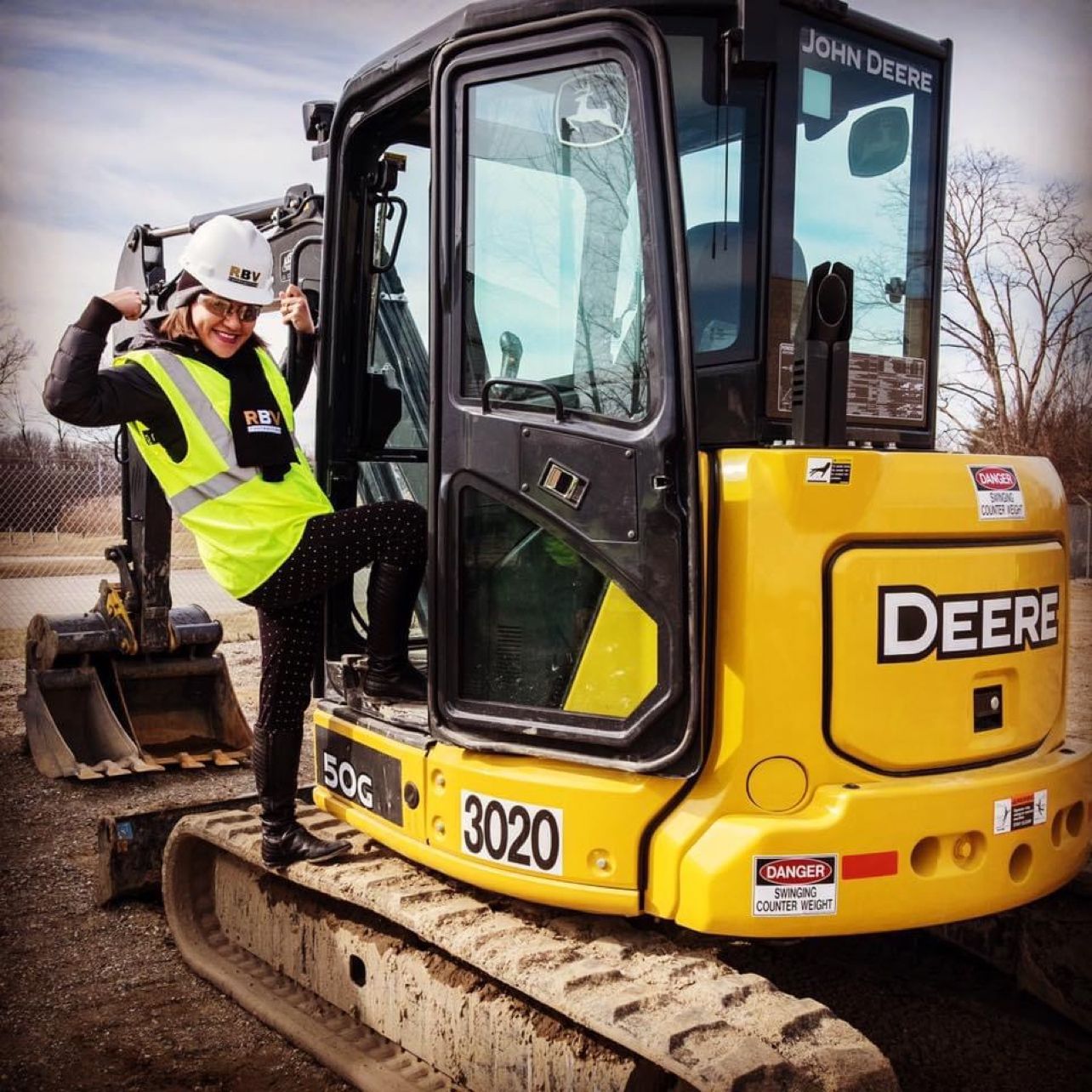
My favorite part of my job is connecting with small businesses across America. I’ve had the privilege of traveling to 25 states to hear directly from small business owners and their workers about their experiences. From meetings in hotels, restaurants, warehouses, and libraries to visits in towns both big and small, every stop offers a new perspective on how federal regulations affect day-to-day operations. I’ve fed cows on a farm in Idaho, taken a riverboat cruise in Kentucky, donned a hard hat at a construction site in Detroit, and toured family-run restaurants in New York’s Chinatown. Each visit reminds me why our work matters. Our office is not just working on policy and regulations. We are supporting real Americans who pour their hearts into their businesses. Small businesses simply ask that the government help, not hinder, their path forward.
What would you tell small businesses looking to the Office of Advocacy for help?
I would tell small businesses that their feedback matters more than they think. Agencies and Advocacy need to hear directly from small businesses impacted by specific regulations. Agency rule writers are based in Washington, D.C. and depend on first-hand experiences to understand how policies impact different regions and industries. Small businesses are the real experts in how their operations are run, and our goal is to be their voice in the regulatory process.
TOPICS:
TAGS:
Explore Current Career Opportunities at Advocacy
Interested in working at the Office of Advocacy? We are currently seeking assistant chief counsels for multiple portfolios. If interested, please view our job board for instructions on how to submit your application.