
BLOG
Advocacy Speaks with Small Towns and Communities on DOJ’s ADA Rule
PUBLISHED: June 4, 2026
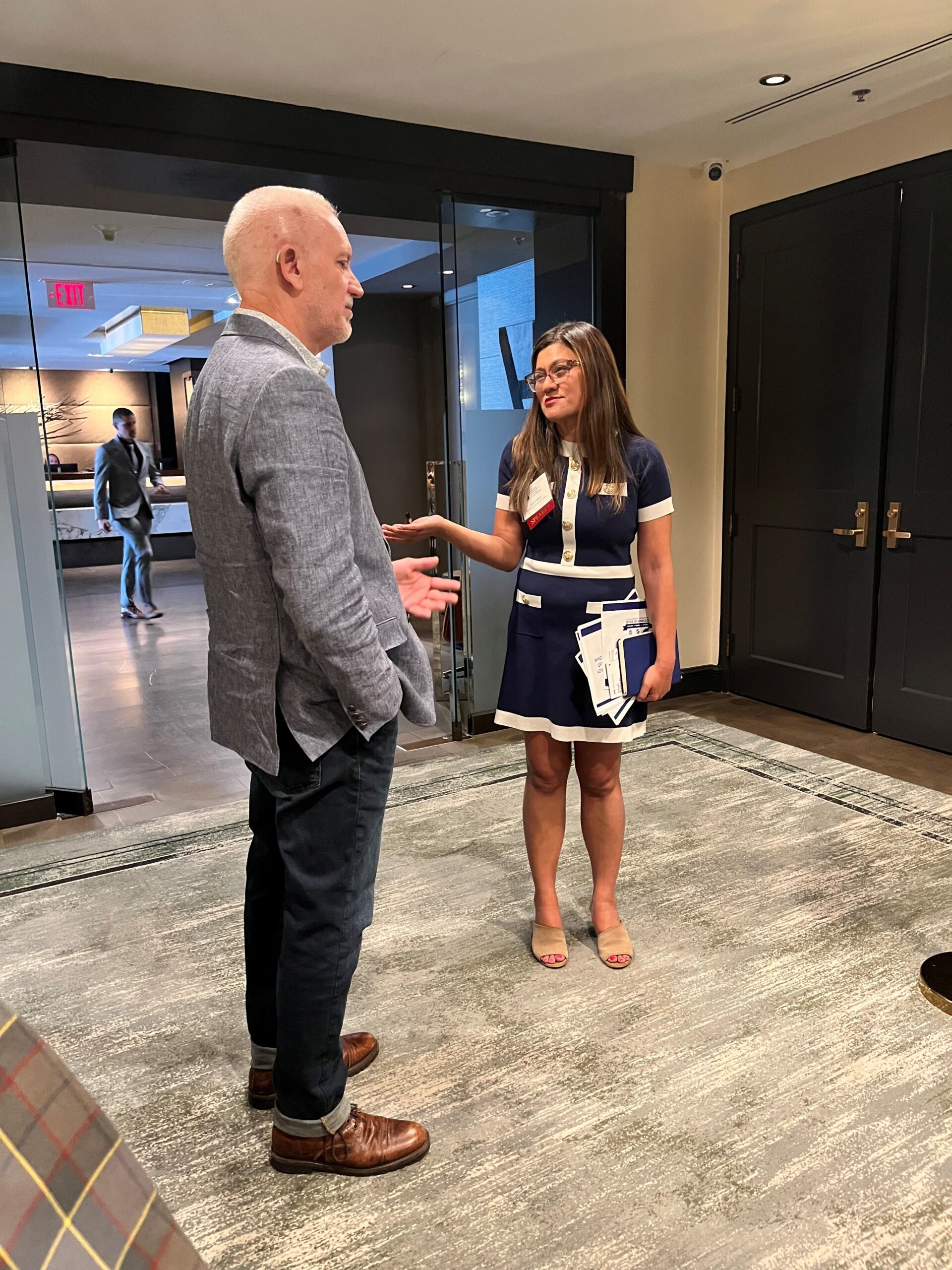
On May 12, 2026, Assistant Chief Counsel Janis Reyes met with the National Association of Towns and Townships (NATaT) to discuss the U.S. Department of Justice’s (DOJ) Americans with Disabilities Act (ADA) Accessibility Rule. The rule requires state and local governments to make their websites accessible to individuals with disabilities. DOJ issued an Interim Final Rule extending the deadline to comply. Public entities with a population of fewer than 50,000 people now have until April 26, 2028, to meet the requirements. The agency is also seeking public comments by June 22, 2026.
Reyes began the discussion with a brief overview of the Office of Advocacy, highlighting its mission to serve as the voice for small governments. This mission resonated with NATaT, which represents the interests of smaller communities, most of which have 10,000 or fewer residents.
During her remarks, Reyes noted that Advocacy submitted a comment letter to the DOJ in 2023 requesting more time and regulatory relief for small governments.

Reyes engaged attendees by asking about their familiarity with the rulemaking process and whether they had started updating their websites to ensure compliance. Many attendees indicated they had already begun this process. Participants explained that while website accessibility is a key goal, implementation can be especially challenging for small and rural communities with limited budgets and staff. One attendee pointed out that a town with a $300,000 operating budget cannot afford even a “low-end” DOJ estimate of $70,000 for website compliance. Such costs would force difficult choices, like between fixing city roads and achieving regulatory compliance.
The discussion highlighted the financial strains faced by many municipalities. Several attendees emphasized that additional compliance costs could add to their communities’ burdens. One participant shared that their town doesn’t maintain its own website but instead manages a single page within a larger city’s site.
Reyes acknowledged these challenges and stressed the importance of receiving such feedback. She emphasized that meaningful flexibility in rulemaking depends on direct input from those affected. This led to questions about possible extensions and implementation timelines. Attendees explained that many small communities rely on volunteers rather than dedicated staff, making ongoing website compliance difficult to manage.
Some expressed concern that, to cut costs and avoid liability, municipalities might reduce or shut down their websites or remove significant content, ultimately limiting public access to vital information. Besides cost concerns, attendees questioned the clarity of the rule. They asked for guidance on requirements related to audio and video captioning, the role of social media, and how DOJ’s cost estimates were determined. Questions included: Can municipalities use automatic captioning for their videos? How are social media platforms affected under the rule? And what data supported the DOJ’s compliance cost estimates?
The DOJ rule is a high priority for the Office of Advocacy and has been included on the office’s Small Businesses’ Most Wanted Reform list.
AUTHOR:
Akira Loring
TOPICS:
TAGS:
Cut the Red Tape
Is a federal rule slowing your small business down? Tell us about it. The Red Tape Hotline gives you a direct line to report burdensome regulations and help shape smarter policy.