
BLOG
Small Business, Big Impact
Giving Thanks to Entrepreneurs Across America
PUBLISHED: November 25, 2025
Entrepreneurship is the lifeblood of America, and innovators and risk-takers are integral parts of the American dream. For centuries, entrepreneurs have used education, skill, and creativity to generate new and diverse job opportunities.
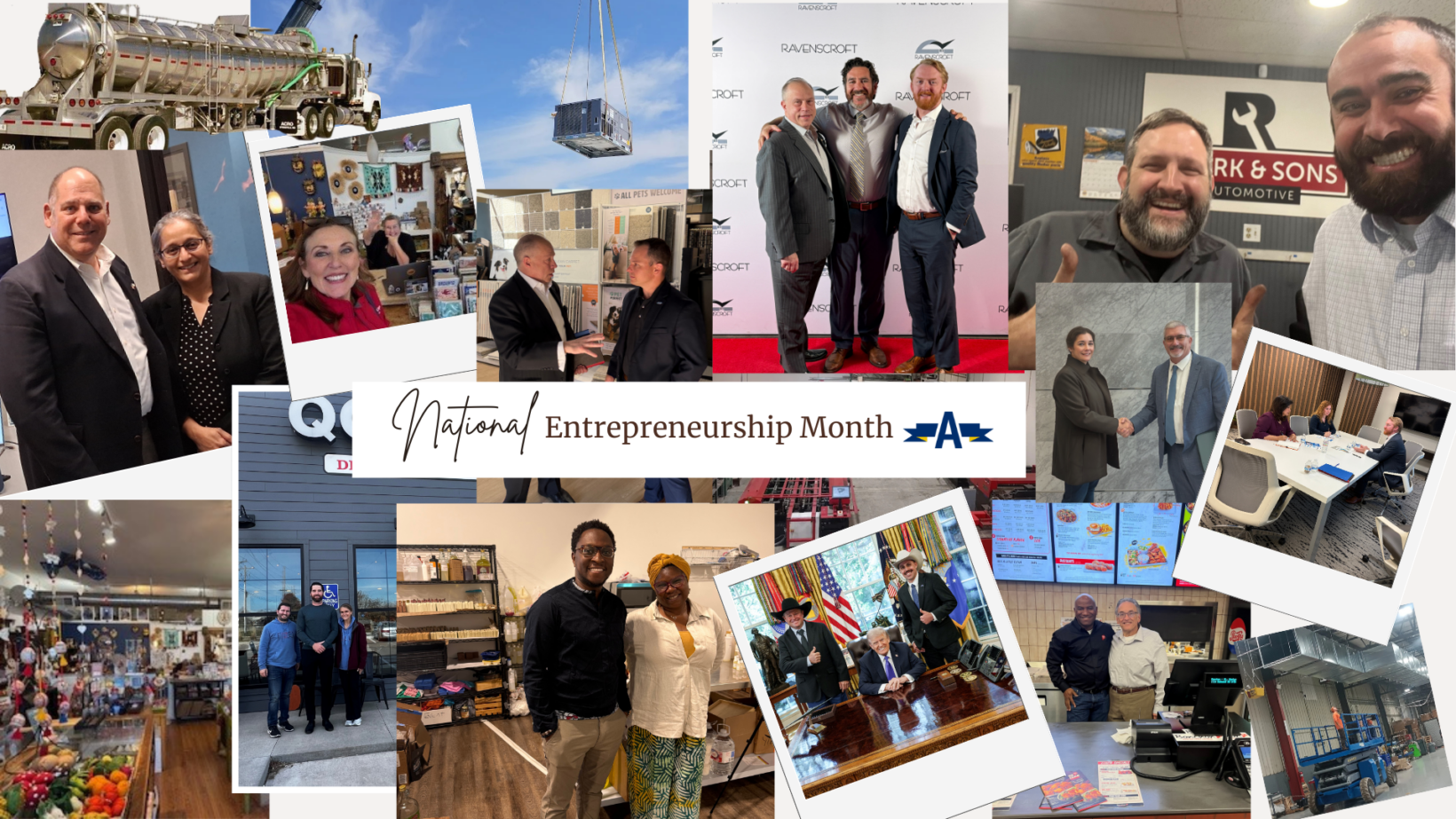
To honor these out-of-the-box thinkers and promote their efforts, the Office of Advocacy’s regional affairs team visited and interviewed entrepreneurs in recognition of November’s National Entrepreneurship Month.
Types of Businesses
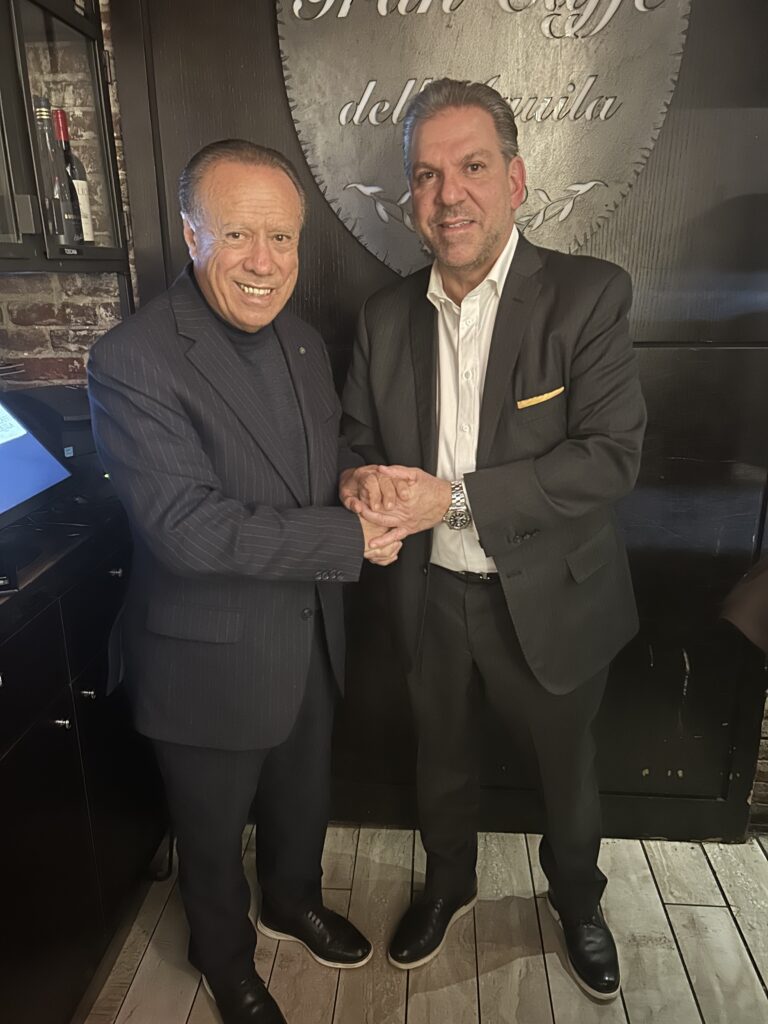
Entrepreneurial businesses come in all shapes and sizes. Advocacy’s regional advocates experienced this firsthand when speaking with owners such as Marie Flaherty, who runs a 35-year-old artisan shop in Scituate, Massachusetts, and Amato Berardi, a philanthropist in Pennsylvania who owns a financial services company and a health and life insurance firm and co-founded the Italian American Chamber of Commerce of Greater Philadelphia. Both owners are considered entrepreneurs, but the scale and type of businesses they run couldn’t be more distinct.
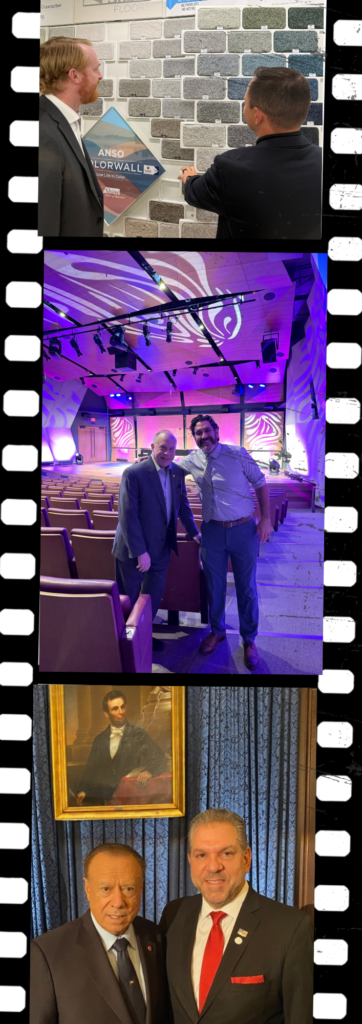
Many entrepreneurs operate alone as “solopreneurs,” but partnerships are a growing trend. Advocacy met with a few married couples. One couple, Joe and Oyindamola “Honey” Apanpa, who own Honey Scented Company, a candle business in Dallas, Texas, shared how they faced challenges due to limited access to capital. Another couple, Mitch and Dara Dietrich, who own QC Fuel, a coffee shop in Davenport, Iowa, spoke of the difficulty securing a building location.
The Family Business
Many entrepreneurs start ventures with family members, while others inherit and build upon established legacies. Ravi Patel, who launched Sun Mechanical LLC in Janesville, Wisconsin, with his brother Ronik, is one example. Bill Ruark, who started Ruark and Sons Automotive in Sunbury, Ohio, with his sons Joe and Alex, is another. Meanwhile, Hayden Ballard is a sixth-generation rancher of the Ballard Family Ranch on the Utah–Arizona border.
Keeping it in the family supports economic success and long-term stability. Deepa Krishnamurthy, founder of Nterprisers, can attest to this personally. She saw an uncle’s legacy destroyed by a lack of succession planning and little support for the “little guys.” Another benefit of keeping it in the family is that passing down trade skills and education through family lines often yields niche products or highly customized services within those businesses. The Ruark brothers, who now run Ruark and Sons Automotive, are celebrating 30 years of service this year and have expanded from a 3-bay garage on their farm to a 5-bay garage in the heart of downtown Sunbury.
Pain Points and Challenges
Entrepreneurs face many challenges, some of which affect businesses across industries. For example, Megan Taylor, owner of Best Waste Solutions LLC in Milwaukee, Wisconsin, and Deepa Krishnamurth, owner of Nterprisers in Providence, Rhode Island, expressed frustration about the rising cost of health insurance.
Alex Ruark of Ruark and Sons said these costs prevent them from attracting additional talent and hurt both the business and its employees. Similarly, philanthropist Amato Berardi stated that out-of-pocket costs under the Affordable Care Act, since the COVID-19 pandemic, have amounted to 12 percent of his gross revenue, and his business has yet to recover.
Challenges can also be specific to certain industries. Hayden Ballard, owner of the Ballard Family Ranch, noted that the federal government owns or controls most of the land in most western states, including Utah, where it owns 67 percent of the land. This, coupled with a dramatic reduction in federally allotted grazing rights since the 1950s, has significantly impacted the ranching business.
Entrepreneurs have grown accustomed to adapting to fit these challenges. Not all challenges stem from regulations or policy. QC Fuel’s Mitch Dietrich has overcome an autism diagnosis, and his wife has remained steadfast despite her hearing challenges. They refuse to let these obstacles hinder operations and continue to serve their community one cup of coffee at a time. Meanwhile, Amato Berardi juggles multiple business roles while awaiting a kidney transplant.
Giving Back
Serving the community and giving back can take many forms. Charles “Chuck” Worshim, owner of the Bon Chon restaurant in Huntsville, Alabama, is a retired Army veteran. His son, who works with him, is also a retired military officer and West Point graduate. After decades of service to the country, Chuck decided to pursue entrepreneurship to do something for himself while continuing to support his community.
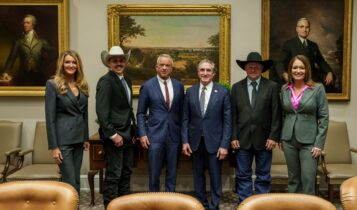
Although a facility that manages food waste and turns it into renewable energy might not seem like a form of giving back, Best Waste Solutions LLC does precisely that. It is hard work, dirtier and more complicated than most people realize, but essential. What they do behind the scenes helps transform food waste into a valuable resource instead of allowing it to end up in a landfill. Through grit and determination, their businesses have become integral parts of their communities
This week, as we sit down with our families at Thanksgiving and express gratitude for all we have been given, Advocacy would like to express our gratitude to these businesses for all they do. We appreciate America’s entrepreneurs’ and their steadfast commitment to their communities.
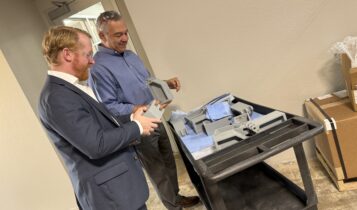
Their vision not only drives innovation but also inspires future generations to dream bigger, build stronger, and lead with purpose. Entrepreneurs remind us that every bold idea has the power to transform lives and shape a better tomorrow.
To connect with a regional advocate in your area, please contact the Red Tape Hotline. Please call the Red Tape Hotline at 800-827-5722 and select option 3 or send an email to RedTape@sba.gov if you are experiencing pain points and need assistance.