

BLOG
Across the Regions: How Our Advocates Are Amplifying Small Franchise Voices
PUBLISHED: October 30, 2025
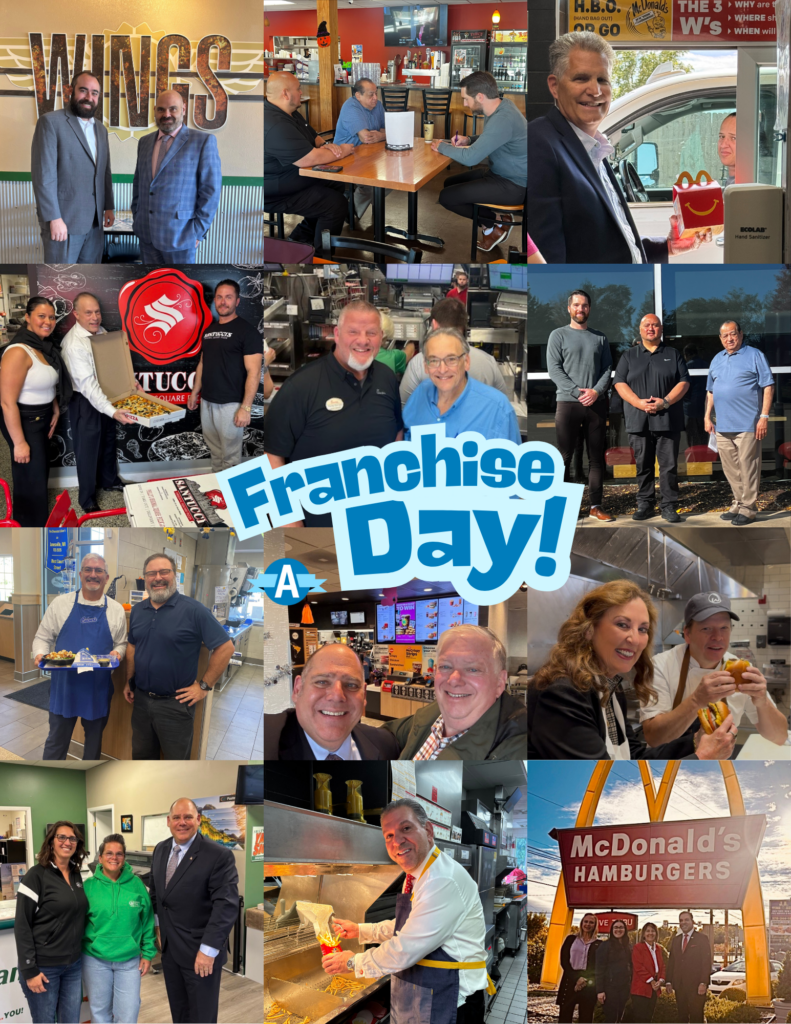
One year ago this week, President Trump highlighted the importance of franchises to the American economy when he served fries out the drive-thru window at a McDonald’s in Feasterville, PA. A year later, Advocacy’s regional advocates visited franchises across the country to hear their stories and identify ways we can help free them from cumbersome regulations holding back their – and the country’s – continued prosperity.
Small Business Franchises: The Economic Backbone
Franchising fuels the economy and the American Dream. The sector generates $1.7 trillion every year and presents accessible opportunities for small business ownership nationwide.
According to the International Franchise Association, there are 851,000 franchise establishments in the United States. Nearly all (99.4%) of franchises are small businesses, owned and operated by local entrepreneurs, and the majority have less than 10 employees.
Fast food is the largest and most well-known industry in the franchise sector, but, according to the Census Bureau, only represents 29% of franchises. Beyond fast food, franchises exist in nearly 300 other industries, including full-service restaurants, hotels, car dealerships, real estate offices, beauty salons, fitness centers, and more.
Franchises consistently offer one of the lowest barriers of entry for aspiring business owners. By leveraging established brands, proven operating models, and built-in support systems, small business entrepreneurs can start their own venture, often without massive financial outlays.
Tackling Regulatory Barriers Together
Excessive regulation puts entrepreneurs’ dreams at risk by layering compliance burdens, delays, and onerous requirements on top of the already daunting challenge of running a successful business. From labor laws to environmental rules, almost every part of running a franchise creates possible regulatory problems.
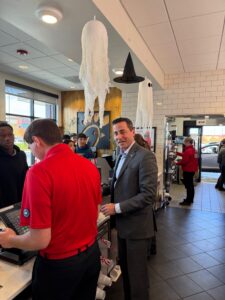
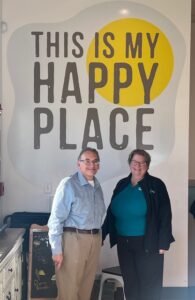
Regulatory challenges also appear in areas like proposed changes to noncompete agreements and franchise rules from the Federal Trade Commission. These proposals could limit how franchisees recruit staff, build teams, or adapt to local needs. Region 4 Advocate Mike Vallante shared that the owner of Eggs Up Grille said, “Finding and keeping good employees is a challenge. Even when paying them well, younger employees will leave for a dollar or two an hour more.” Regulations add expenses that prevent owners from paying higher wages. Franchise owners constantly navigate new requirements, whether these involve workplace safety (such as OSHA walkaround rights) or terms for opening, closing, or growing franchise locations.
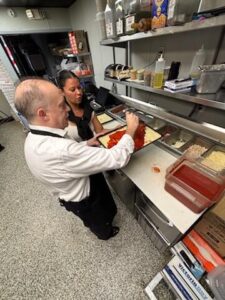
A Minutemen Press franchisee in Rhode Island informed Advocacy’s Manufacturing and Technology Advocate Geoffrey Grove that yearly minimum wage increases have caused large out-of-pocket expenses. Unclear rules regarding joint-employer status from agencies such as the Department of Labor and the National Labor Relations Board (NLRB) can make it challenging to understand franchisee responsibilities. They can increase legal risks for both franchisors and franchisees. For instance, Region 3 Advocate Elmo Rinaldi shared that McDonald’s franchise owner Christina Mueller Curran was also concerned that the NLRB’s joint employer definition would lead to more unionization.
Despite these hurdles, franchisees continue to succeed and make a strong contribution to the U.S. economy. They create jobs and support local communities, demonstrating real value even with so many regulations in place. With fewer barriers, these businesses could achieve even greater prosperity. Advocacy is focused on making franchise voices heard, sharing their stories with policymakers, and working for reforms that help franchises grow and thrive.

Local Roots, National Voice
Franchises operate in every corner of the country and tend to be on the front lines of the American economy. Despite their big economic impact, these franchisees are often curtailed by a labyrinth of regulations. By engaging franchise owners directly, the Office of Advocacy ensures that small business franchises have a seat at the table. Whether through in-person visits, state-by-state roundtables, or direct conversations with lawmakers, Advocacy is laser-focused on solving the regulatory problems faced by small franchise businesses.
If you own a franchise or any other business impacted by a regulatory pain point, please reach out to Advocacy via our Red Tape Hotline. Small business owners can access the Red Tape Hotline at 800-827-5722 (Option 3) or via email at RedTape@sba.gov.
AUTHOR:
Michael DeSantis, Special Advisor
EMAIL:
TOPICS:
TAGS:
The Office of Advocacy works with small businesses and wants to hear from you. Please call the Red Tape Hotline at 800-827-5722 and select option 3 or send an email to RedTape@sba.gov if you are experiencing pain points and need assistance.